Digital altimeters
Most licensed skydivers should start here. Choose a large rugged screen if you want something easy to read in freefall, a smaller digital altimeter if you want simple everyday use, or a logging/GPS-style device if you care about jump data after landing. Want help choosing one? Read our digital skydiving altimeter guide.
 Digital
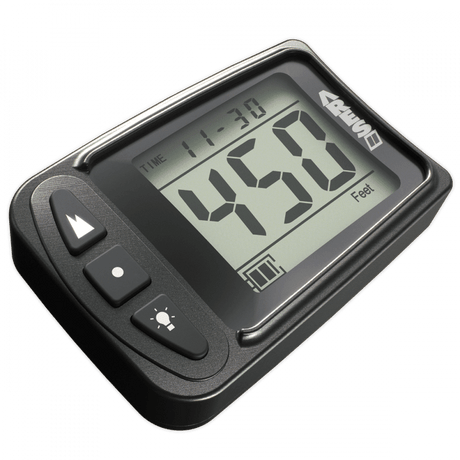
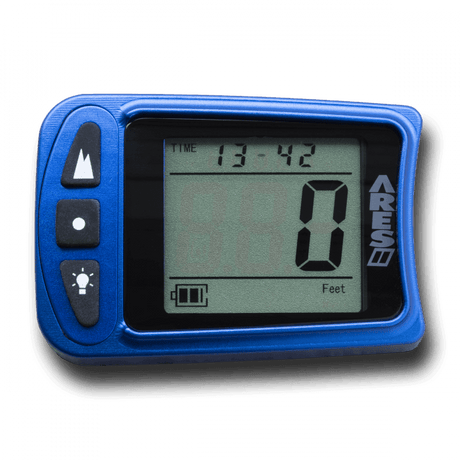
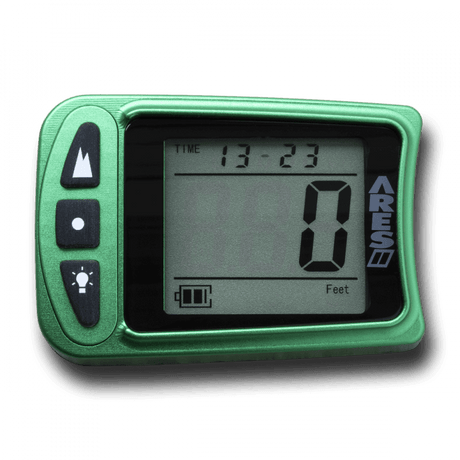
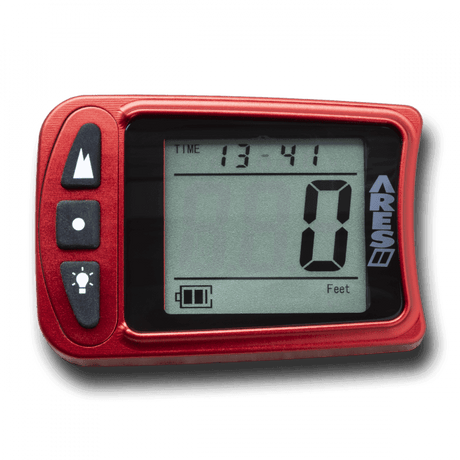
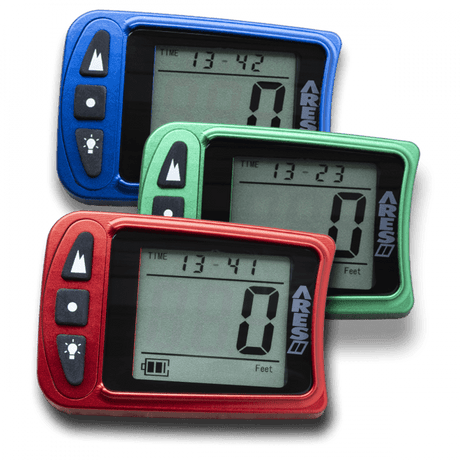
L&B ARES II Digital Skydiving Altimeter
From €409,00
Digital
L&B ARES II Digital Skydiving Altimeter
From €409,00
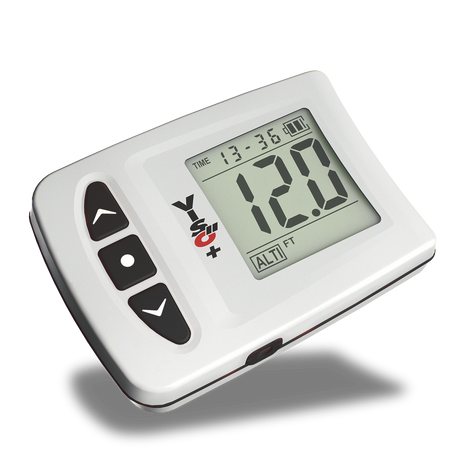
 Digital
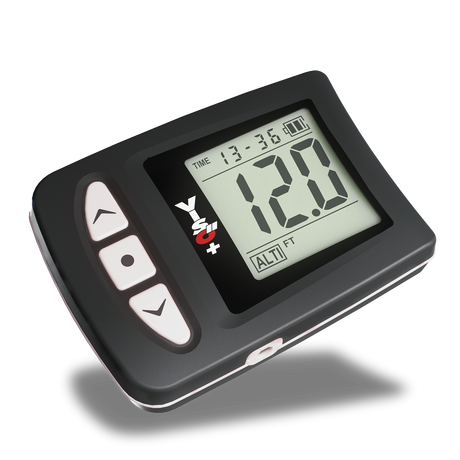
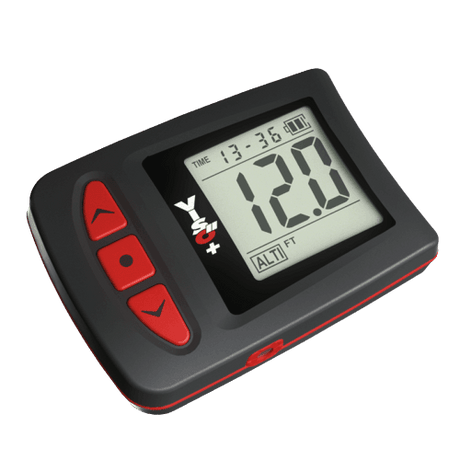
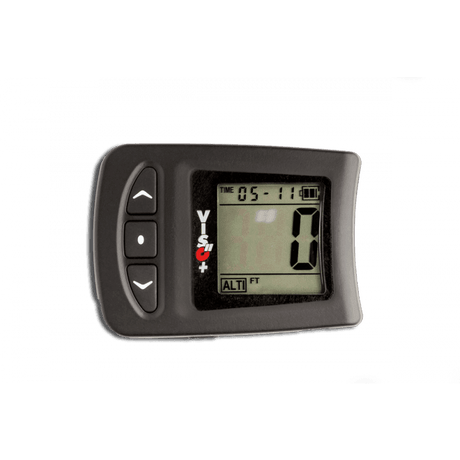
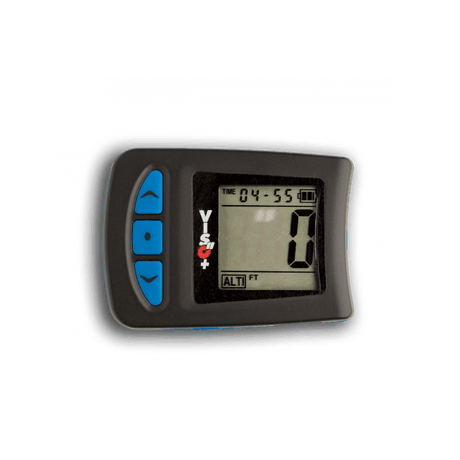
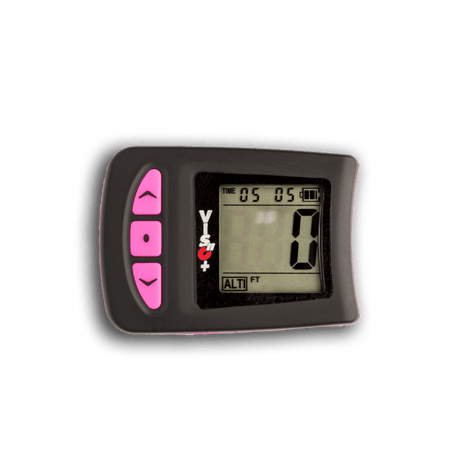
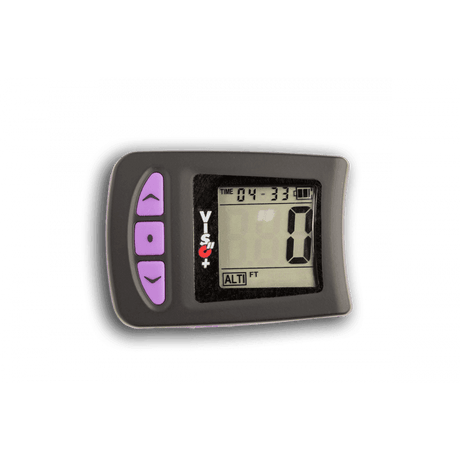
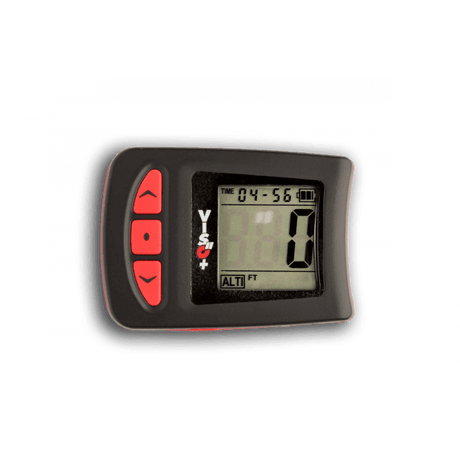
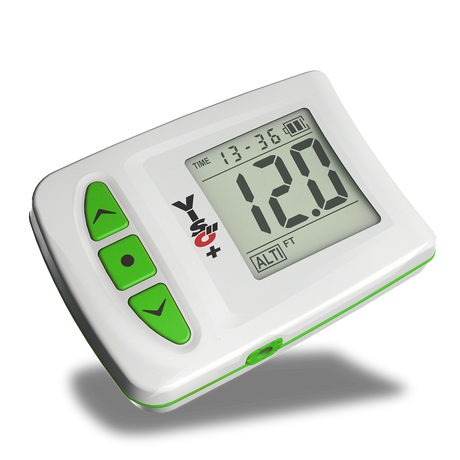
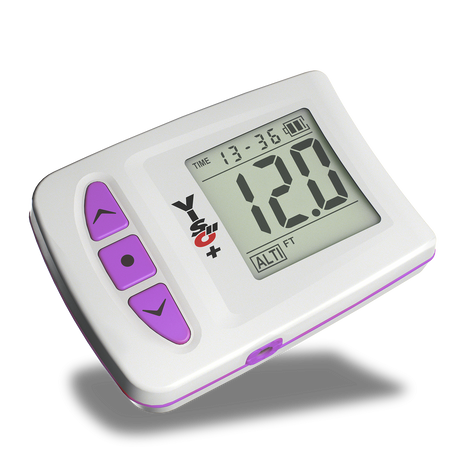
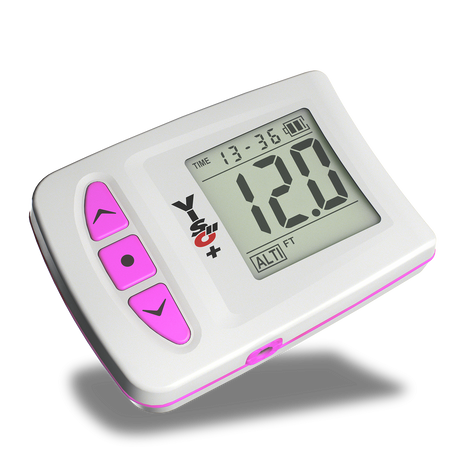
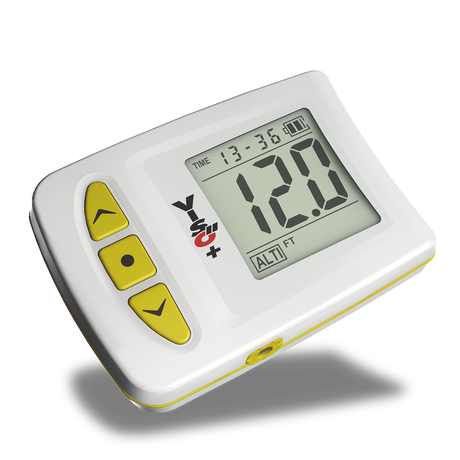
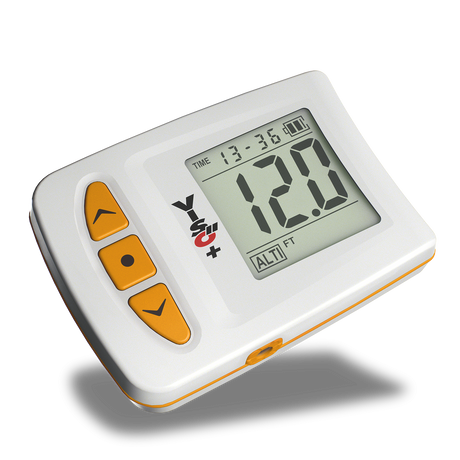
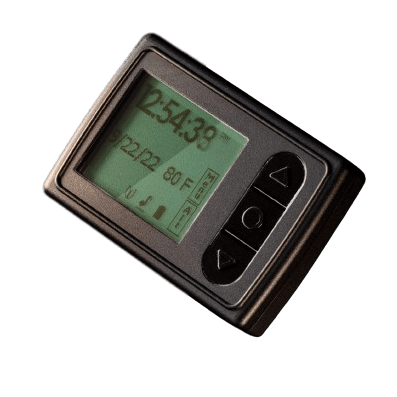
L&B Viso II+ Digital Skydiving Altimeter
From €299,00
Digital
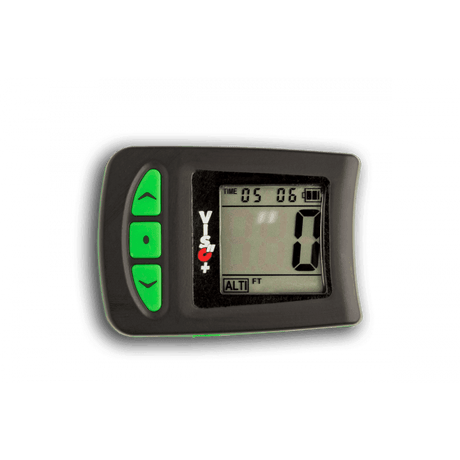
L&B Viso II+ Digital Skydiving Altimeter
From €299,00
 Digital
Deep & Steep Insight GPS Altimeter
From €589,00
Digital
Deep & Steep Insight GPS Altimeter
From €589,00
 Digital
AON2 X0 Digital Skydiving Altimeter
From €179,00
Digital
AON2 X0 Digital Skydiving Altimeter
From €179,00
Audible altimeters
Audible altimeters give sound or voice alerts at altitudes you set. They can remind you when it is time to break off, track, deploy, or check canopy altitude. For a first audible, simple tones are usually enough; advanced models add more warning banks, logging, canopy modes, or spoken altitude.
 Audible
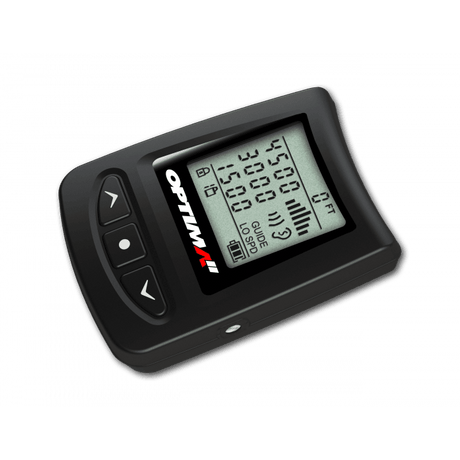
LB Optima 3 Audible Skydiving Altimeter
From €299,00
Audible
LB Optima 3 Audible Skydiving Altimeter
From €299,00
 Audible
LB Quattro 3 Audible Skydiving Altimeter
From €299,00
Audible
LB Quattro 3 Audible Skydiving Altimeter
From €299,00
 Audible
LB Protrack 3 Audible Skydiving Altimeter
From €349,00
Audible
LB Protrack 3 Audible Skydiving Altimeter
From €349,00
 Audible
CS Talkable Skydiving Altimeter
From €249,00
Audible
CS Talkable Skydiving Altimeter
From €249,00
GPS Devices
GPS devices record location data from the jump. After landing, you can open that data in apps such as gSwoop, Baseline.ws, FlySight Viewer and others to see and analyze your flight. Some devices also add other options, such as direct in-flight feedback through your headphones.
GPS Device
Deep & Steep Insight GPS Altimeter
From €589,00
 GPS Device
FlySight 2 Audible GPS
From €320,00
GPS Device
FlySight 2 Audible GPS
From €320,00
 GPS Device
Skytrax GPS Data Logger
From €239,00
GPS Device
Skytrax GPS Data Logger
From €239,00
Mounts & Accessories
Replacement straps, wrist mounts and battery packs are made for specific altimeters. Match the part to your exact model — for example LB ARES, LB VISO, Insight or another listed device. If the mount or battery does not match, it may not fit correctly.
 Mounts & parts
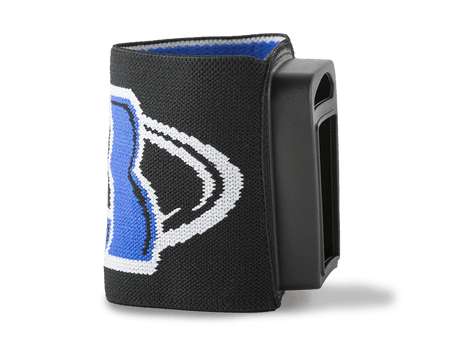
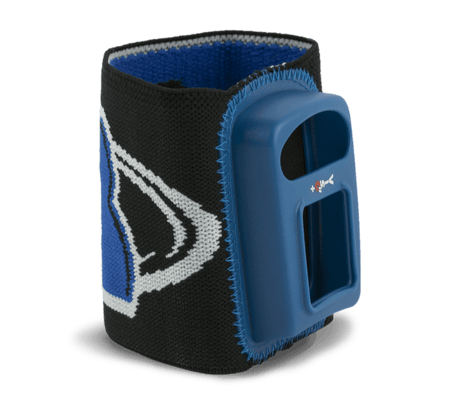
LB ARES Elastic Wrist Mount
From €39,00
Mounts & parts
LB ARES Elastic Wrist Mount
From €39,00
 Mounts & parts
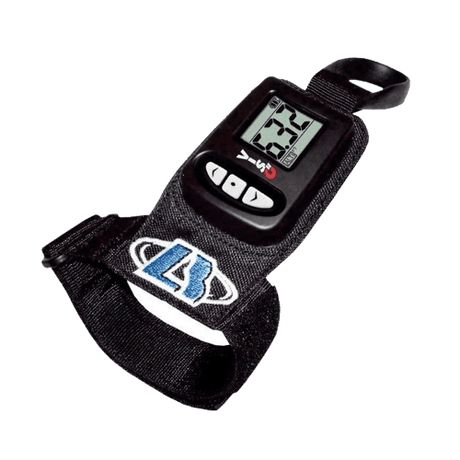
LB VISO Elastic Wrist Mount
From €39,00
Mounts & parts
LB VISO Elastic Wrist Mount
From €39,00
 Mounts & parts
Insight Wrist Mount
From €40,00
Mounts & parts
Insight Wrist Mount
From €40,00
 Mounts & parts
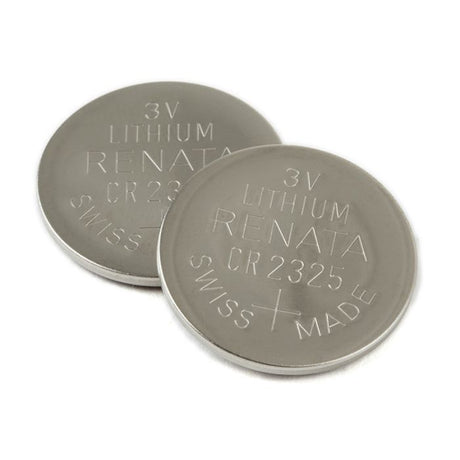
Battery pack for LB ARES / VISO (Renata CR2325)
From €9,00
Mounts & parts
Battery pack for LB ARES / VISO (Renata CR2325)
From €9,00
When should you use each type?
Digital, audible and GPS devices are not really competing products. They do different jobs. Use this as a quick map before you choose.
Buy digital first
This is the altimeter you look at during the skydive. If it is your first own altimeter, start with a clear digital wrist unit such as Deep & Steep Insight or LB ARES II.
Add an audible next
An audible sits in your helmet and gives beeps or voice alerts at the altitudes you set. It is useful as an extra reminder for breakoff, deployment or canopy altitude checks, but it does not replace looking at your wrist.
Use GPS for data
GPS devices record location data so you can analyze the jump after landing in apps like gSwoop, Baseline.ws or FlySight Viewer. Some models can also give direct feedback during flight through headphones.
What altimeter should I buy first for skydiving?
For most licensed skydivers, the first altimeter should be a clear digital wrist altimeter. It is simple, easy to read, and gives you the altitude number you need during freefall and under canopy. Our usual first picks are Deep & Steep Insight if you want a big modern screen and GPS data, or LB ARES II if you want a proven premium digital altimeter.
Do I need an audible altimeter if I already have a wrist altimeter?
You do not need one as your first altimeter, but many jumpers add one later. A wrist altimeter is what you look at. An audible gives sound or voice alerts in your helmet at the altitudes you set.
Can an audible altimeter replace a wrist altimeter?
No. An audible is a reminder, not your main visual altimeter. You should still have a wrist or hand-mounted altimeter that you can check with your eyes.
What is the difference between a digital altimeter and an audible altimeter?
A digital altimeter shows your altitude on a screen. An audible altimeter sits in your helmet and gives beeps or voice alerts at set altitudes. One is visual, the other is sound-based.
Are digital altimeters better than analog altimeters?
Most modern licensed skydivers prefer digital altimeters because the number is clear and easy to read quickly. Some jumpers still like analog altimeters, but digital is usually the easier first choice.
Which altimeter is easiest to read in freefall?
A bigger screen is the main thing. LB ARES II and Deep & Steep Insight are great examples if easy reading is your priority. One practical note: polarized sunglasses can make some LCD screens, including altimeters such as LB ARES or LB VISO, harder to see from certain angles.
What does a GPS device do?
A GPS device records location data during the jump. After landing, you can use apps such as gSwoop, Baseline.ws, FlySight Viewer and others to see speed, glide, flight path, canopy data or wingsuit data. Depending on the device, it may also give direct feedback during flight through your headphones.
Do I need GPS in my first altimeter?
Usually no. If you are buying your first altimeter, focus on clear altitude reading first. GPS is more useful later if you want jump data, wingsuit information, canopy performance data or tracking feedback.
How do I choose the right mount or wrist strap?
Measure your wrist and check the sizing chart. Also match the mount to the exact altimeter model you own — a mount for LB ARES will not fit LB VISO, Insight or another device. You would not be the first person to order the wrong wrist mount with your altimeter. :)
When should I replace an altimeter battery?
It depends on the altimeter. Some are rechargeable, while others use replaceable batteries. With LB ARES and LB VISO, we usually see batteries changed after about 9–12 months of normal use. Deep and Steep Insight can last a month of jumping and is rechargeable. Always use the correct battery type and follow the manufacturer guidance for your exact model.
Technical setup, calibration, alarm configuration and maintenance should be checked in the official manufacturer manual for your exact model.
All altimeter products
L&B ARES II Digital Skydiving Altimeter
Regular priceFrom €40900Unit price-
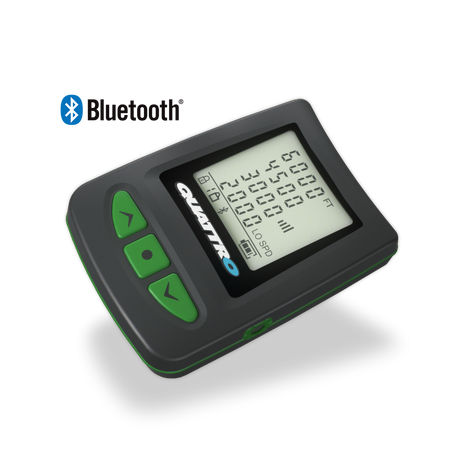
LB Quattro 3 Audible Skydiving Altimeter
Regular price €29900Unit price- Pre-order
Deep & Steep Insight GPS Altimeter
Regular price €58900Unit price -
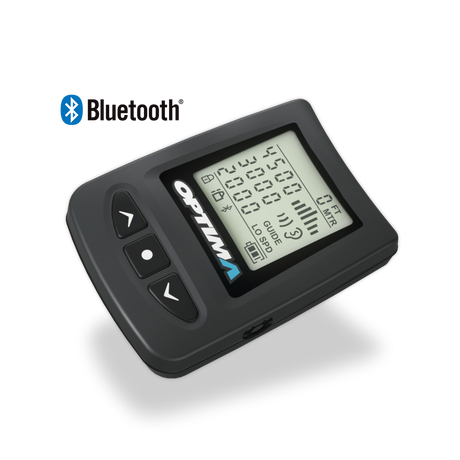
LB Optima 3 Audible Skydiving Altimeter
Regular price €29900Unit priceL&B Viso II+ Digital Skydiving Altimeter
Regular price €29900Unit price-
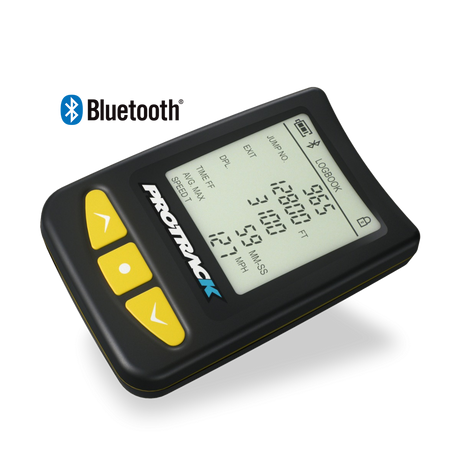
LB Protrack 3 Audible Skydiving Altimeter
Regular price €34900Unit price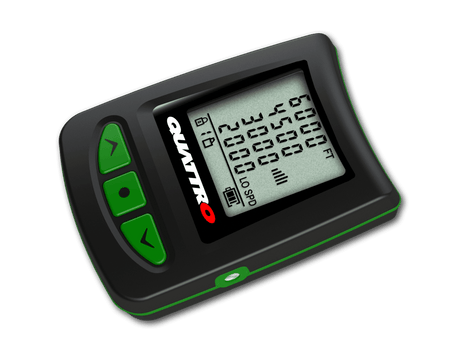
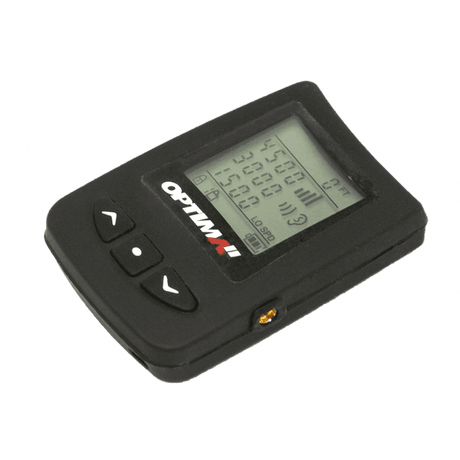
L&B Quattro Audible Skydiving Altimeter
Regular priceFrom €26900Unit priceL&B Optima II Audible Skydiving Altimeter
Regular priceFrom €26900Unit price-
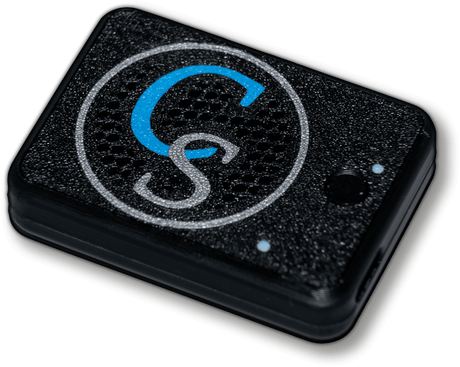
CS Talkable Skydiving Altimeter
Regular price €24900Unit price- Regular priceFrom €3900Unit price
-
- Regular priceFrom €3900Unit price
-
Alti-2 Altimaster Galaxy Altimeter
Regular price €19900Unit price-
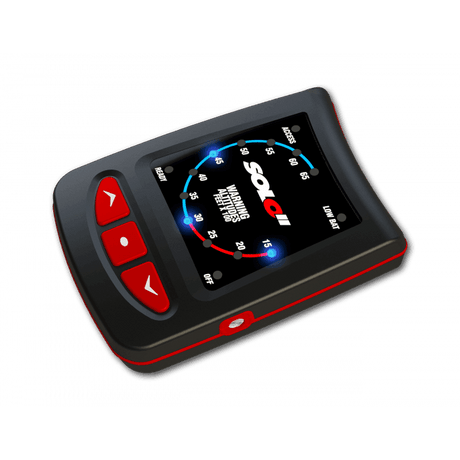
L&B Solo II Audible Skydiving Altimeter
Regular price €20900Unit price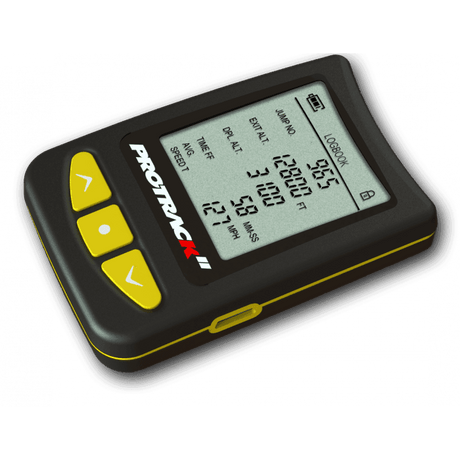
L&B Protrack II Audible Skydiving Altimeter
Regular price €30900Unit priceBattery pack for LB ARES / VISO (Renata CR2325)
Regular price €900Unit price-

LB ARES II/ALFA Chest Strap Mount
Regular price €4000Unit price Regular price €4000Unit price
Alti-2 ATLAS JUNO Digital Skydiving Altimeter
Regular price €38900Unit priceAlti-2 Atlas II Digital Skydiving Altimeter
Regular price €47900Unit price-
ALTI-2 Mercury Jade Audible Skydiving Altimeter
Regular price €26900Unit price-
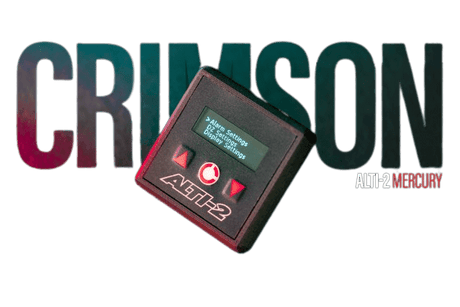
ALTI-2 Mercury Crimson Audible Skydiving Altimeter
Regular price €32900Unit price-
- Regular price €4000Unit price
-

CR2450 Battery – Neptune, GFX, Neo XS Altimeters
Regular price €1000Unit price
CR2032 Battery Set – Parasport, Suunto, Spark Altimeters
Regular price €1000Unit priceLB VISO / Optima / Quattro / Solo II Battery Cover
Regular price €1000Unit price-

CR2330 Batteries – ProTrack & ProDytter
Regular price €1000Unit price
LB ProTrack / ProDytter Battery Cover
Regular price €1000Unit price- Regular price €2000Unit price
-
Insight Mudflap Adapter for The Wedge
Regular price €4200Unit price-
- Regular price €4200Unit price
-
Insight Adjustable Strap Mount
Regular price €4800Unit price-
 Regular price €32000Unit price
AON2 X0 Digital Skydiving Altimeter
Regular price €17900Unit price-
- Regular price €63000Unit price
-
 Regular price €2000Unit price
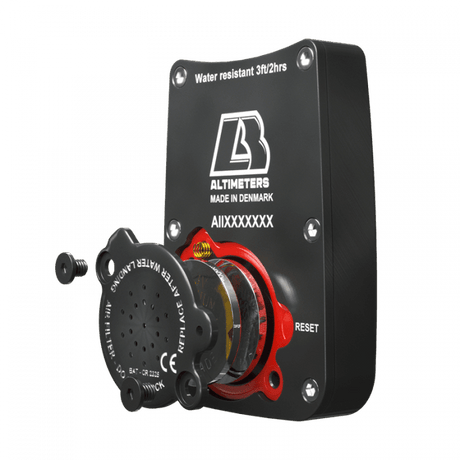
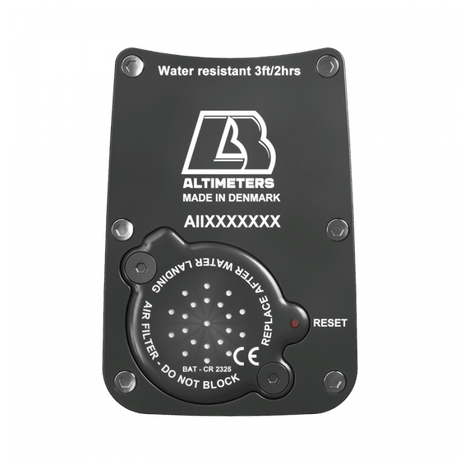
LB ARES II Battery Cover with Air Filter
Regular price €4600Unit price-